My Cart $-.--
Shop by Category
Quick Order
0
Home Stretch Film

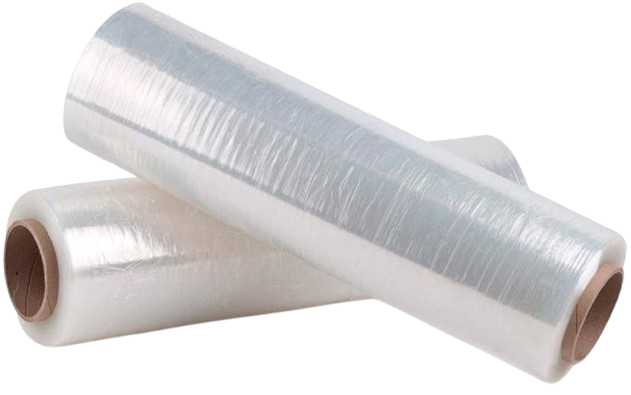
Stretch film

Types of Stretch Film

Stretch film remains the most cost effective way to contain a load.

Cast Stretch Film

Cast Stretch Film

Cast stretch film is manufactured using the cast extrusion process. Typical characteristics of cast stretch films are: excellent optics, clear, glossy, superior tear resistance, quiet unwind, consistent cling and consistent film thickness. Cast Film is more effective in cold storage applications.

Blown Stretch Film

Blown Stretch Film

Manufactured using the blown film extrusion process and also referred to as blown film. Typical blown stretch film characteristics are: poorer optics and noisier unwind, but, excellent puncture resistance and capable of achieving a high force on load (load containment).

Load Profiles

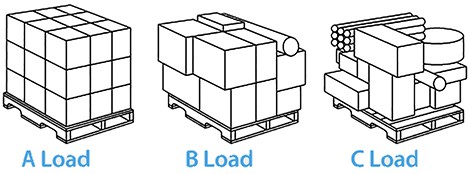
  • A Loads are typically cubed with no protrusions and unitized. These are the easiest to wrap.
  • B Loads are pallets that may have an object protruding or do not have clean vertical sides but rather have irregular sides. The puncture hazard may require a better performance film.
  • C Loads are very irregular loads with many corners, sharp edges, or protrusions and are difficult to wrap. A higher performance stretch film will be required to handle this type of difficult load.
Diagram showing different pallet load types. A Load is stacked uniformly with boxes. B Load has unevenly stacked boxes. C Load includes mixed items like boxes and cylinders
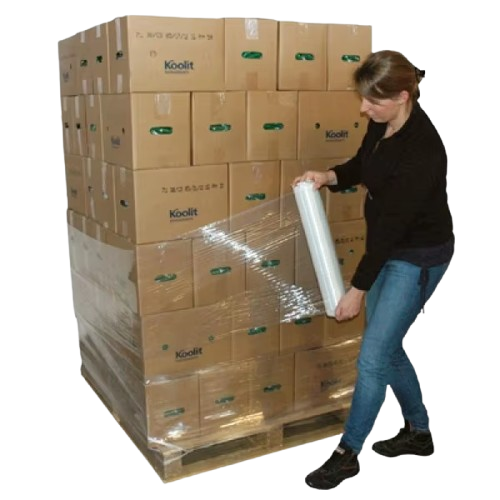
Hand wrapping a pallet with stretch film

Hand Wrapping

Consider hand wrapping when:

  • Pallets are too unstable to transport to a stretch-wrapper
  • Operational set-up is unsupported in your location
  • Variability in package integrity is acceptable to the customer

Hand film is best for lower volume or irregular loads

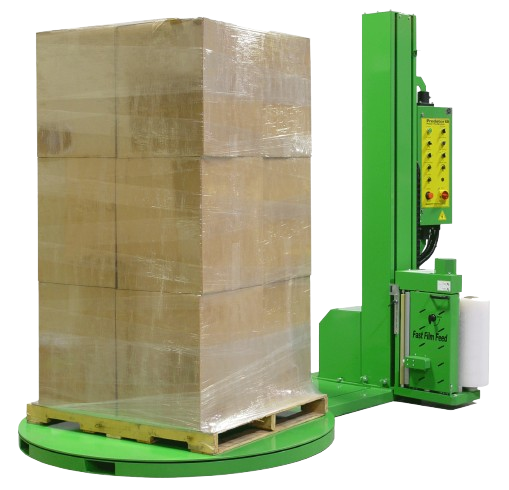
Stretch Wrapper Machine

Machine Wrapping

Consider machine wrapping when:

  • Consistent and uniform application is needed
  • You want reliable production output throughout the work day
  • Reducing the potential of your pallet being damaged during transit

One-Sided vs. Two-Sided Cling

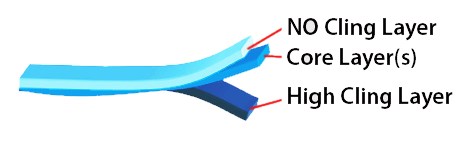
One-Sided Cling Film

Cling is on the inside to secure the load and smooth on the outside, preventing pallets from sticking together during transit.

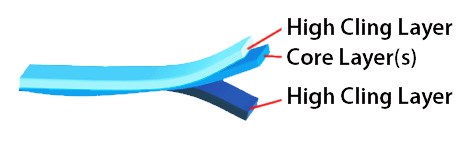
Two-Sided Cling Film

Cling on both sides, lower cost but can cause issues with pallets adhering to one another.

Three-layer illustration of a film with labeled sections: one inner high cling layer, a middle core layer, and a no cling outer layer highlighting material structure.
Three-layer illustration of a film with labeled sections: two outer high cling layers and a middle core layer, highlighting material structure.

Top Sheets

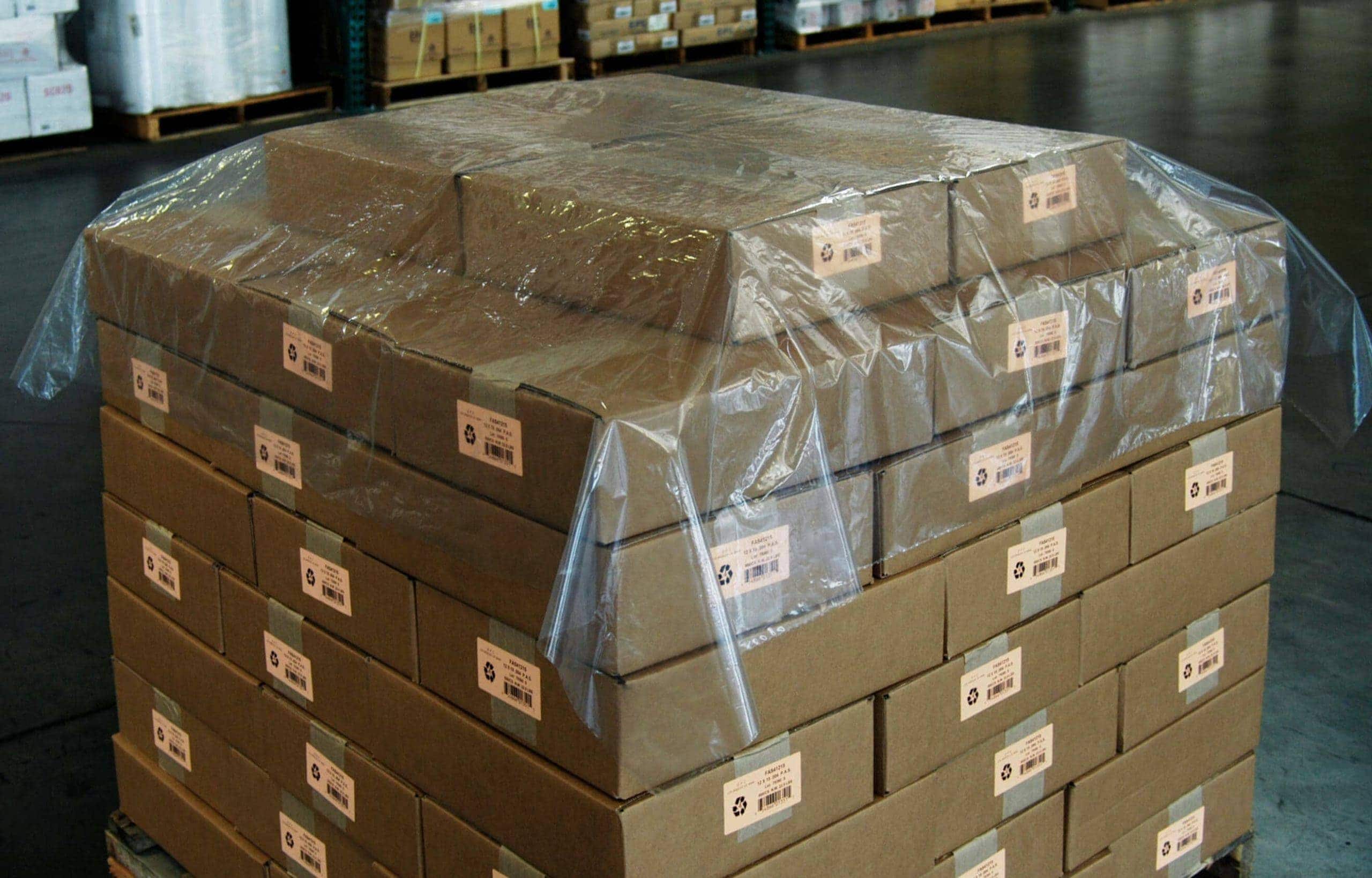
When wrapping a pallet please consider the conditions your material will shipped/stored. A top sheet might be a good solution to keep moisture or dust off your product.

Top sheets are an important factor especially during outdoor storage, transportation, or when stacking pallets. They are crucial for maintaining hygiene and adding an extra layer to prevent tampering

Pre-Stretch Film

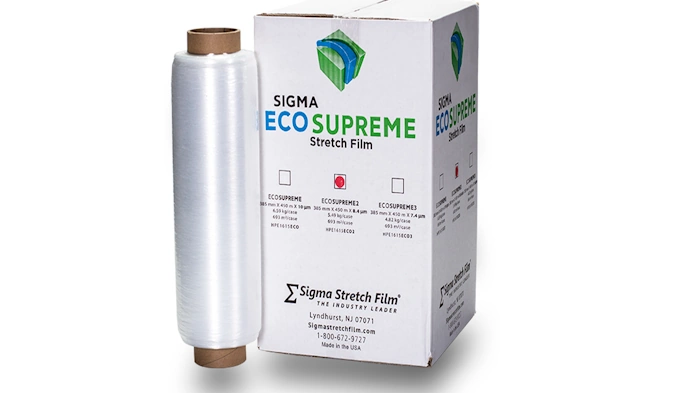
Pre-Stretch film is mostly used in hand applications. The most beneficial advantage to pre-stretch film vs traditional stretch film is an equal or increase in load stability with less total film used. This can improve your total cost on packaging materials.

The other benefits to using pre-stretch film:

  • Lighter Rolls which will lead to less energy used when wrapping (Less of an injury risk lifting a lighter material)
  • More consistent wrapping tension
Pre Stretch Film

How to Calculate the Roll Weight of Stretch Film

It's easy to determinine if you are getting all of the stretch film you are paying for! Take a full roll of the film that you are currently using to a shipping scale and weigh it. You may want to measure the width of the film yourself to ensure that you are getting the full width published or enter the manufacturer’s provided information for width, length and gauge into the calculator below. The result should match the result that you got when you weighed the full roll.

Calculation used to determine result:

(Thickness (in mils) x Width (in inches) x Length (in inches)) ÷ 30,000

All numbers must be positive.